



We are at your service with maintenance, repair, and supply services at international standards.
Established in 2008 with the aim of raising safety standards in the maritime sector to the highest level, SBC Safety has combined its long-standing sectoral experience with a professional corporate structure. Located in the Istanbul Leather Organized Industrial Zone, we provide world-class service in the field of marine safety at our modern service station, which spans 500 square meters and possesses all kinds of technical infrastructure.
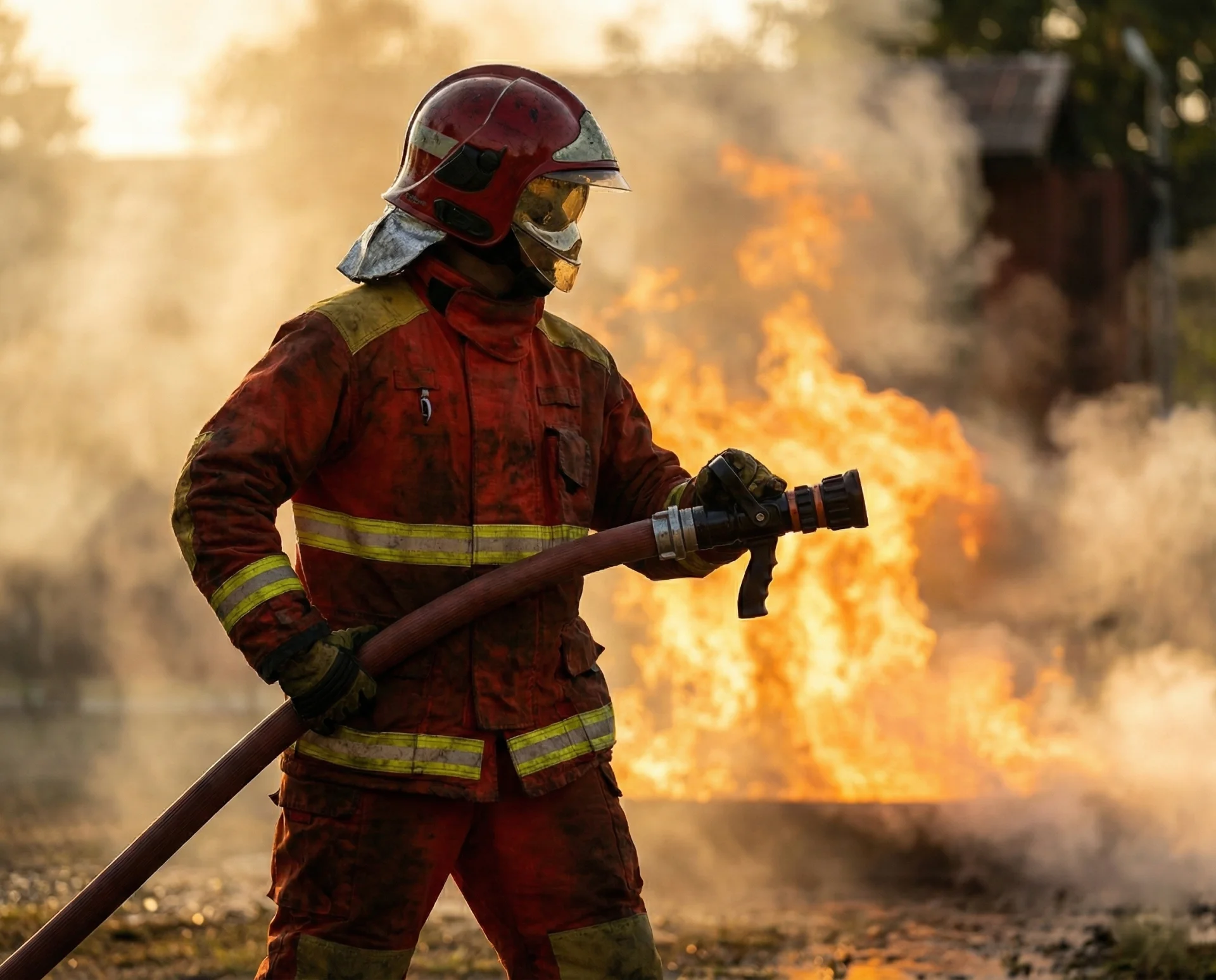
Our company's core business is the maintenance, repair, testing, and certification processes of equipment that is vital for the navigation safety of vessels. With our expert technical staff, we carry out periodic controls of life rafts, lifeboats, launching appliances (davits and winches), and all types of fire extinguishing systems in full compliance with manufacturer standards and international regulations.
Services
Discover Our Featured Professional Services
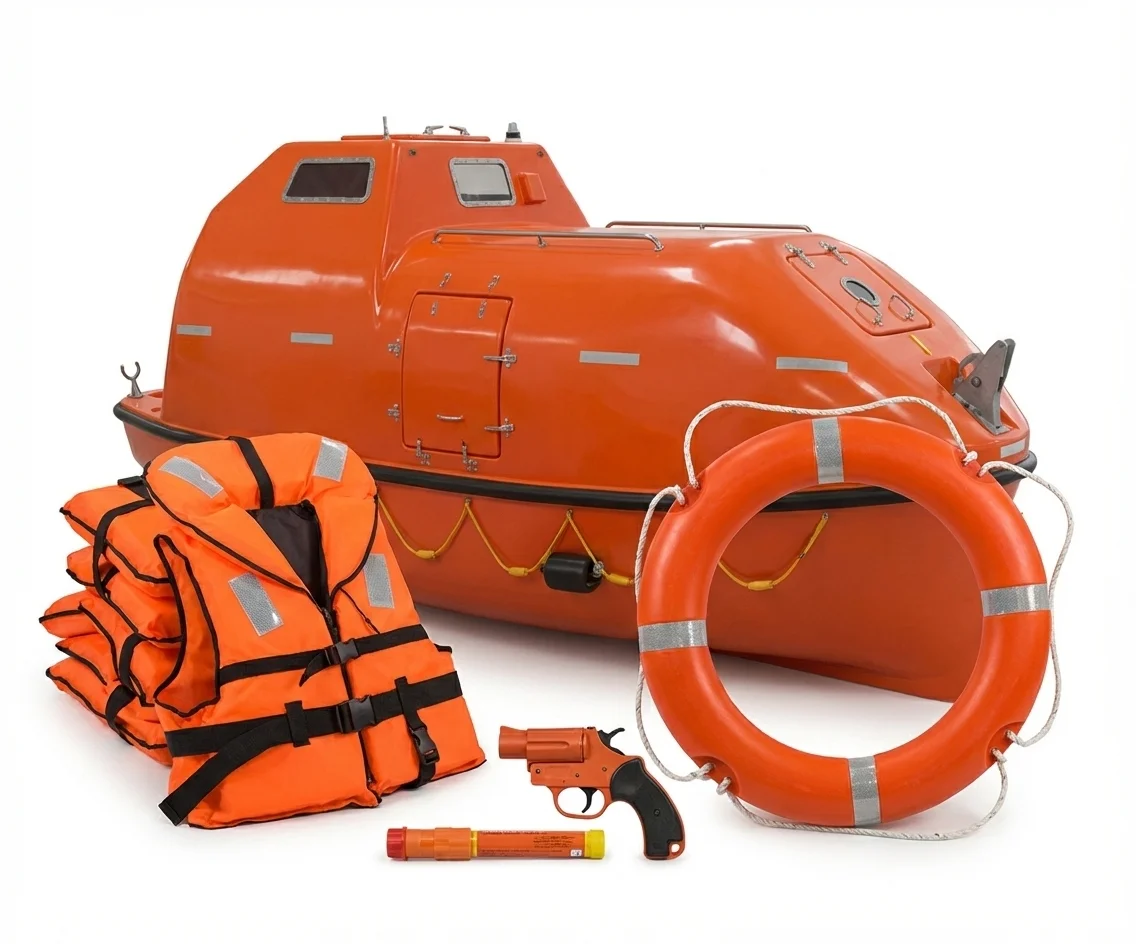
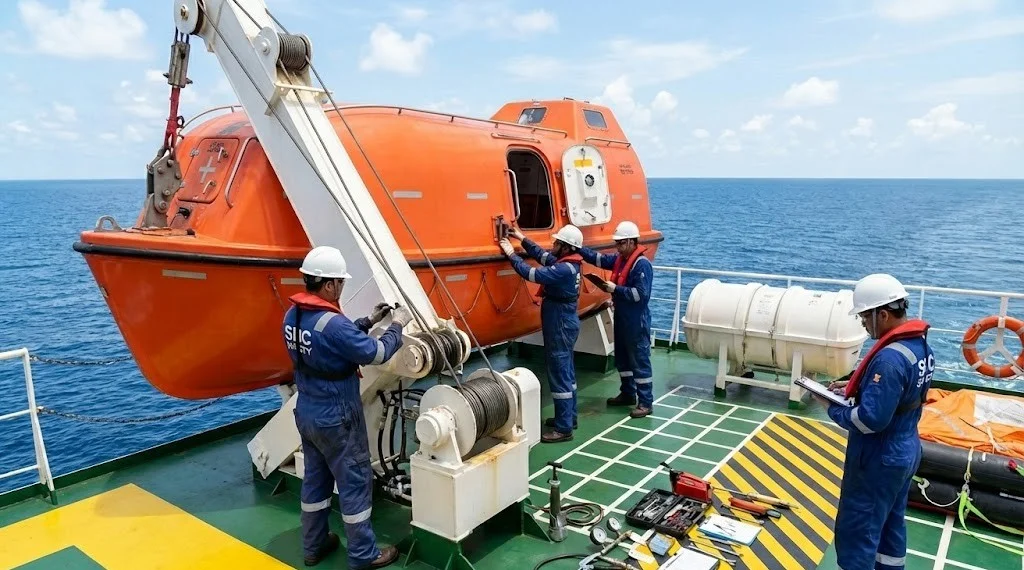
When it comes to safety at sea, the flawless operation of evacuation systems is not an option, but a necessity. At SBC Safety, we ensure that the life-saving appliances and launching arrangements on your vessels are inspected, maintained, and certified in full compliance with international maritime regulations (SOLAS Reg. III/20 and IMO MSC.402(96)). With our expert service engineers and extensive authorization network (Flag State & Class Approvals), we guarantee that your lifeboats are ready for safe launching in any emergency. Our Scope of Services We offer the following services to ensure the operational readiness of your life-saving systems: 1. Annual Inspection and Certification Routine mandatory inspections to verify system functionality: Lifeboats and Rescue Boats: Inspection of hull structure (GRP), engine tests, air support systems, and functional tests of sprinkler systems.Davit Systems: Visual and functional inspection of launching appliances, winches, and brake mechanisms.Release Hooks: Safety checks and operational tests of On-load and Off-load release mechanisms.Liferaft Davits: Annual maintenance and certification of liferaft launching hooks and winches. 2. 5-Yearly Overhaul and Load Tests A heavy maintenance process performed every five years, where equipment is dismantled and detailed: Dynamic Load Tests: Certification of lifeboats and davits by testing endurance with 1.1 times the total weight (overload test).Release Gear Overhaul: Dismantling, tolerance measurement, and overhaul of release mechanisms (hooks).Wire Rope Renewal: Renewal or turning of davit falls wires. 3. Accommodation Ladder & Gangway Testing In accordance with SOLAS Regulation II-1/3-9; annual visual inspections and five-yearly load testing and certification of accommodation ladders and gangways. 4. Equipment Supply and Repair Supply of genuine spare parts (lifeboat engine parts, hook safety parts, etc.).Fiberglass (GRP) hull repairs and gelcoat renewal.Winch brake pad replacement and adjustment. 5. Training and Consultancy Our service is not limited to technical maintenance; we provide operational training on board to ensure the crew masters the safe launching and recovery procedures of life-saving appliances. Why SBC Safety? All our tests and maintenance are performed using calibrated state-of-the-art load measurement equipment (water bags, load cells, etc.). Our reports are transparent, traceable, and accepted by Class societies.
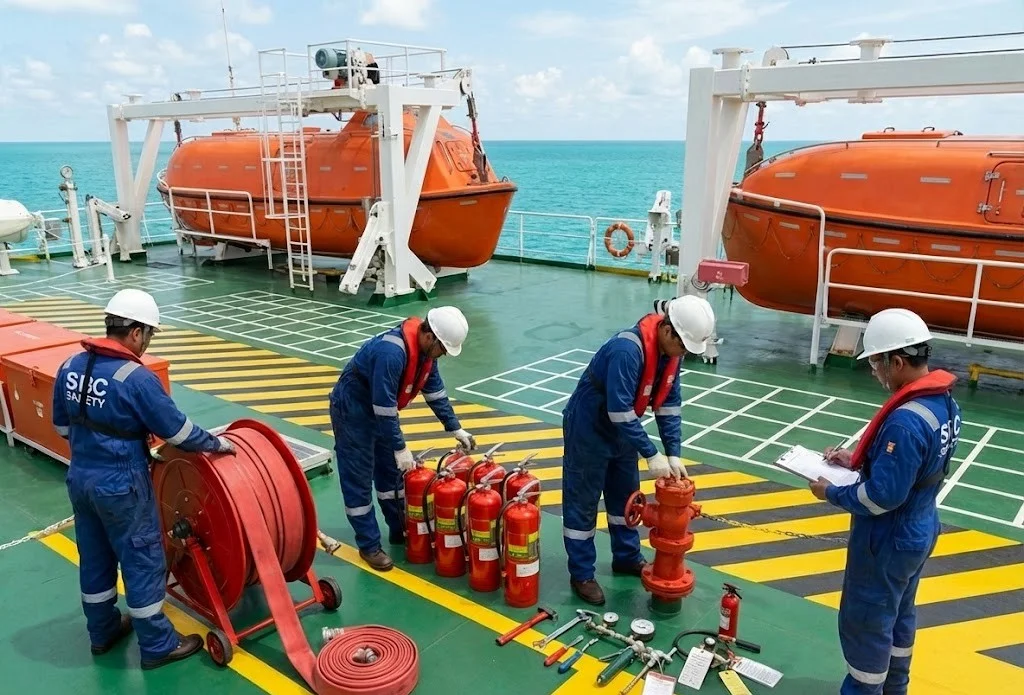
When it comes to safety at sea, the flawless operation of evacuation systems is not an option, but a necessity. At SBC Safety, we ensure that the life-saving appliances and launching arrangements on your vessels are inspected, maintained, and certified in full compliance with international maritime regulations (SOLAS Reg. III/20 and IMO MSC.402(96)). With our expert service engineers and extensive authorization network (Flag State & Class Approvals), we guarantee that your lifeboats are ready for safe launching in any emergency.Our Scope of Services We offer the following services to ensure the operational readiness of your life-saving systems:1. Annual Inspection and Certification Routine mandatory inspections to verify system functionality: Lifeboats and Rescue Boats: Inspection of hull structure (GRP), engine tests, air support systems, and sprinkler system functional tests.Davit Systems: Visual and functional inspection of launching appliances, winches, and brake mechanisms.Release Hooks: Safety checks and operational tests of On-load and Off-load release mechanisms.Liferaft Davits: Annual maintenance and certification of liferaft launching hooks and winches.2. 5-Yearly Overhaul and Load Tests Heavy maintenance process where equipment is dismantled and detailed every five years: Dynamic Load Tests: Certification of lifeboats and davits by testing endurance with 1.1 times the total weight (overload test).Release Gear Overhaul: Dismantling, tolerance measurement, and overhaul of release mechanisms.Wire Rope Renewal: Renewal or turning of davit falls wires.3. Accommodation Ladder & Gangway Testing In accordance with SOLAS Regulation II-1/3-9; annual visual inspections and five-yearly load testing and certification of accommodation ladders and gangways.4. Equipment Supply and Repair Supply of genuine spare parts (lifeboat engine parts, hook safety parts, etc.).Fiberglass (GRP) hull repairs and gelcoat renewal.Winch brake pad replacement and adjustment.5. Training and Consultancy Our service is not limited to technical maintenance; we provide operational training on board to ensure the crew masters the safe launching and recovery procedures of life-saving appliances. Safe with SBC Safety. All our tests and maintenance are performed using calibrated state-of-the-art load measurement equipment (water bags,
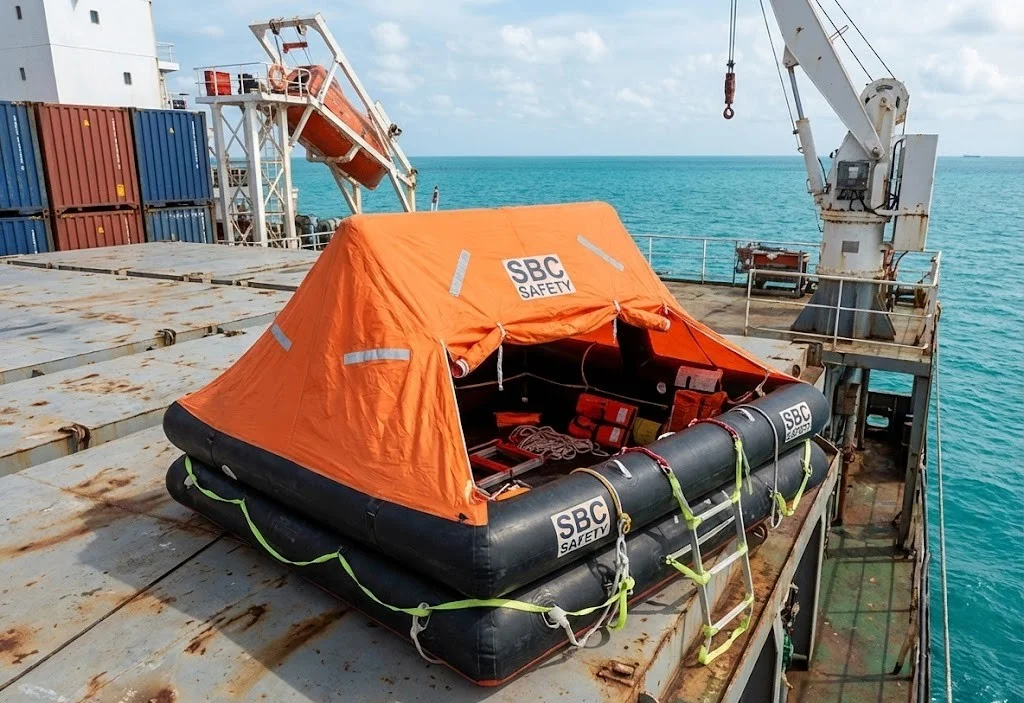
Inflatable life rafts are the last line of defense for crew survival in emergencies. Therefore, their performance cannot be compromised. According to SOLAS Chapter III / Reg. 20.8.1.1, inspection of life rafts at intervals not exceeding 12 months is mandatory and must only be performed by Approved Service Stations. At SBC Safety, we manage the logistics of this critical equipment for you. Transporting life rafts over long distances incurs both time loss and high costs. Thanks to our extensive service network, we service your life rafts at the nearest point to your vessel, minimizing logistic costs and optimizing your turnaround time. We offer our valued customers the most economic and rapid solutions without compromising safety. Spare Parts and Equipment Supply In addition to our service capabilities, we supply all necessary original spare parts and deck equipment for both SOLAS and Leisure type life rafts: Hydrostatic Release Units (HRU): (e.g., Hammar type)Senhouse Slip Hooks: Quick release hooks for lashing.Deck Lashing Straps: Heavy-duty certified straps.Deck Mounting Cradles: Mounting skids and ramps.Emergency Packs: SOLAS A and B Pack equipment.
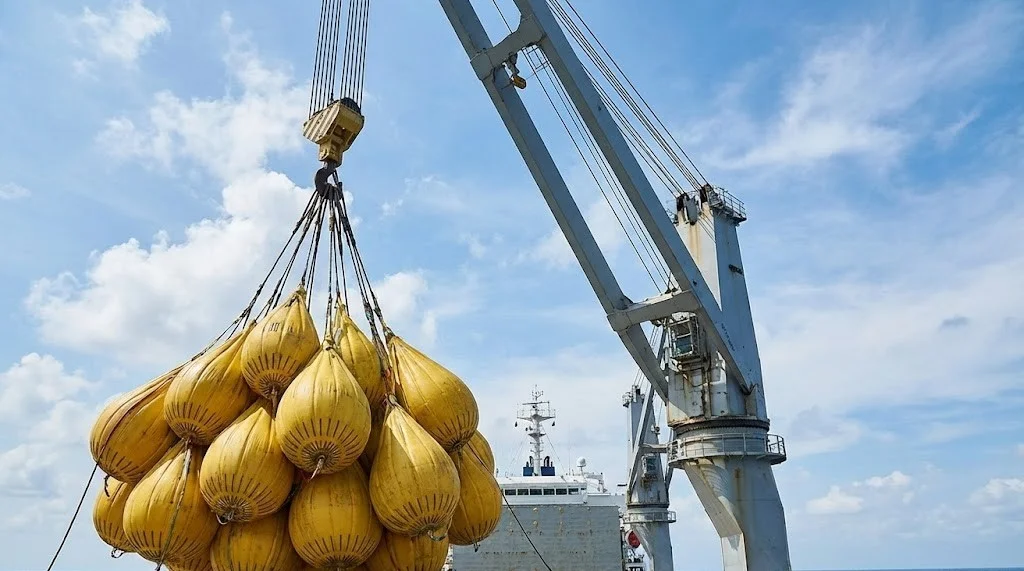
Safety in cargo handling operations relies heavily on the structural integrity and performance of lifting appliances. At SBC Safety, we perform periodic load testing of all lifting equipment on vessels and offshore structures in full compliance with ILO Convention No. 152 and Class society rules. Utilizing modern Water Bag technology instead of traditional solid weights, we safely test tons of load without risking damage to your vessel's deck or structure. Our expert engineers apply dynamic and static test scenarios appropriate for the crane's capacity, completing the certification process with minimal downtime. Our Scope of Services We provide testing and certification services for all types of cranes across various capacities: Deck Cranes: SWL (Safe Working Load) and overload testing for cranes essential to cargo operations.Heavy Lift Cranes: Precision load testing for high-capacity cranes used in project cargo transport.Hose Handling Cranes: Functional testing of cranes critical for manifold operations on tankers.Provision Cranes: Periodic inspection of cranes used for the transfer of ship stores and provisions.Engine Room Cranes: Testing of overhead travelling cranes and monorails used in engine maintenance and repair.Portable & Mobile Cranes: Certification of portable lifting equipment used on deck. All tests are digitally monitored and reported using calibrated load cells to ensure absolute accuracy.
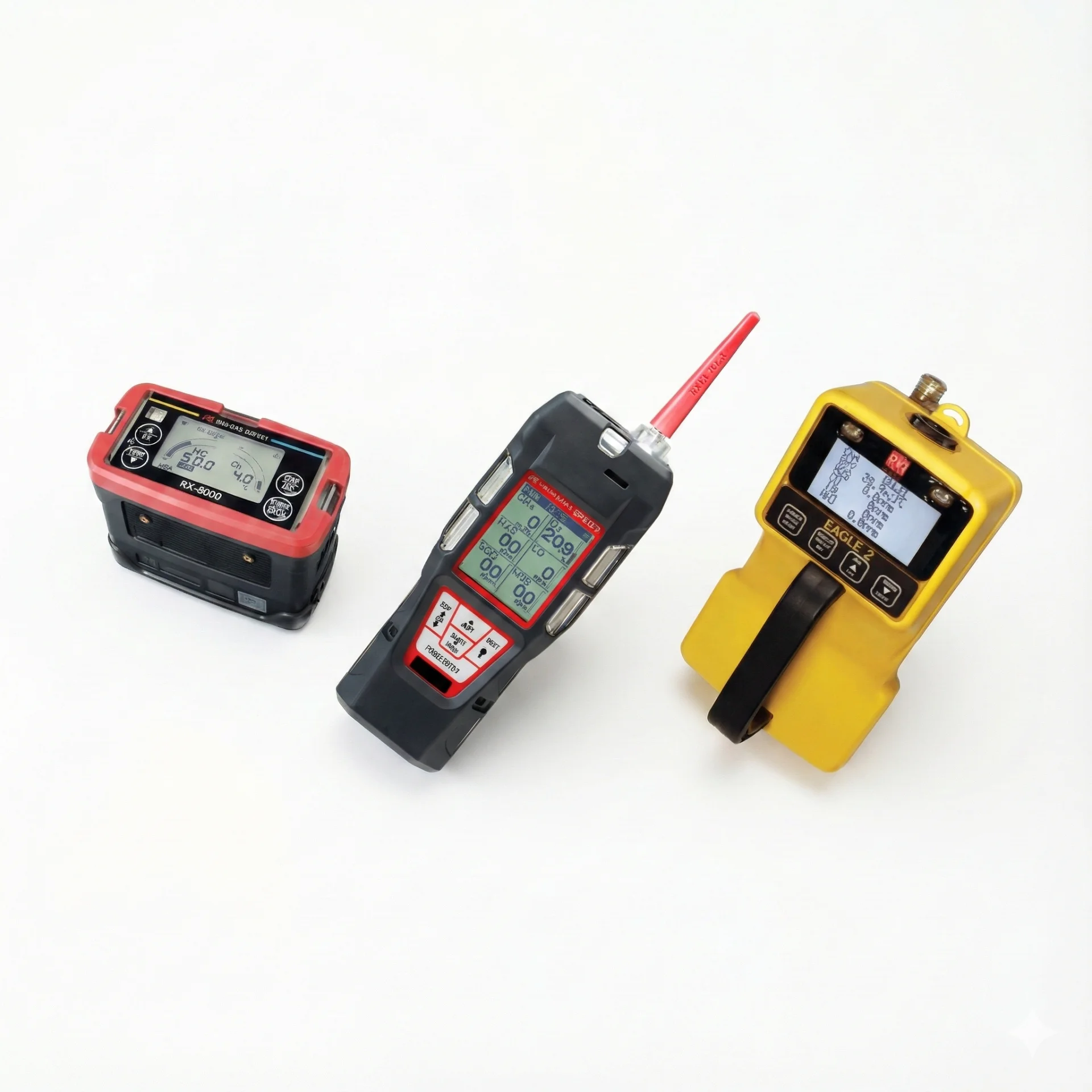
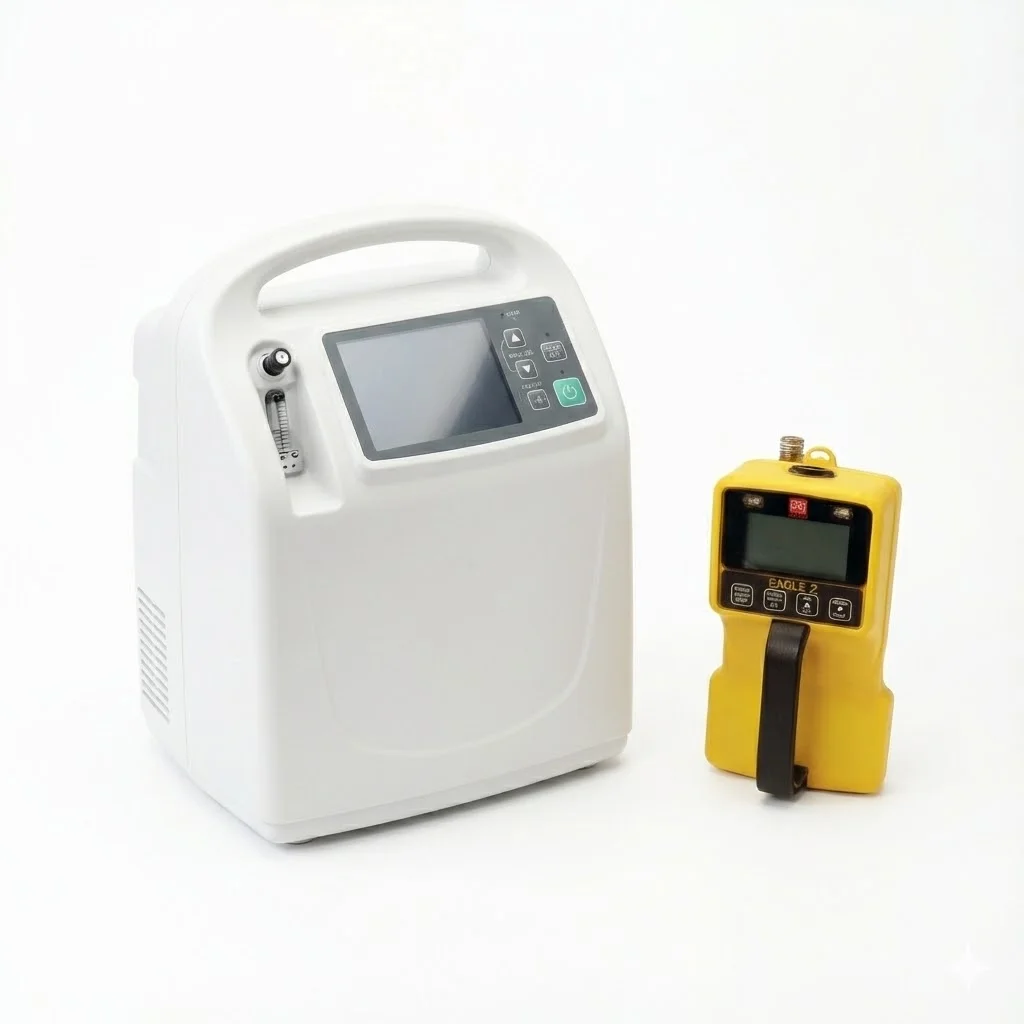
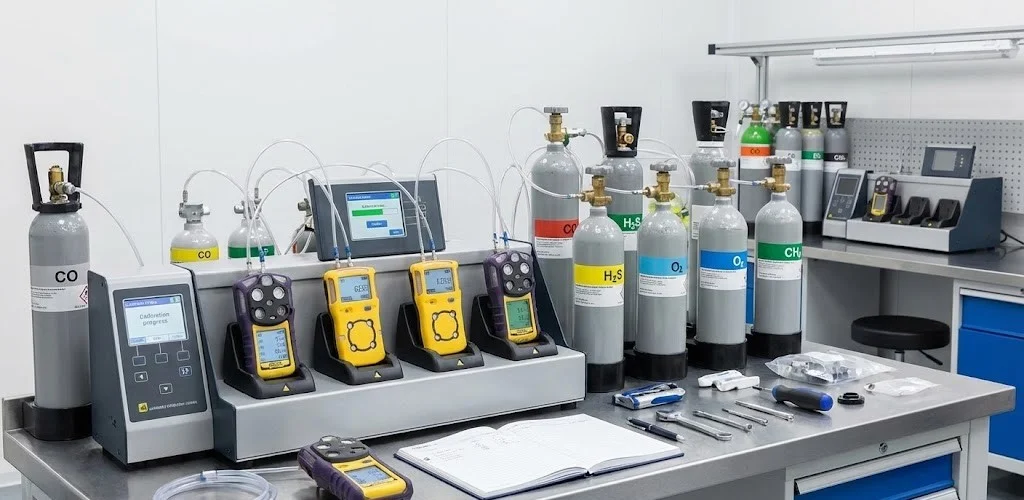
Atmospheric safety on vessels and industrial facilities relies on precise measurements. Ensuring your devices measure accurately is not just a regulatory requirement; it is a critical necessity for crew survival. At SBC Safety, we make the calibration process effortless for you. We pick up your devices directly from your vessel or office, calibrate them in our accredited laboratory, and deliver them back fully certified. Fast and Reliable Service (The 48-Hour Rule) We know how valuable time is. Thanks to our logistics network, we complete the calibration and maintenance of your devices within a maximum of 48 hours upon receipt at our workshop and initiate the return process immediately. Our Calibration and Maintenance Scope We offer traceable certification services for the following equipment groups: Gas Detection Systems: Sensor replacement, verification, and calibration of Portable and Fixed gas detectors.UTI Meters (Ullage Temperature Interface): Maintenance and repair of tank level and temperature gauging tapes.Pressure & Temperature Calibrators: Block calibrators, pressure gauges, and thermometers.Dynamometers & Load Cells: Precision testing of load measuring devices.Thickness Gauges: Verification of ultrasonic thickness measurement tools.General Measuring Instruments: Multimeters, clamp meters, and other electrical testing tools.
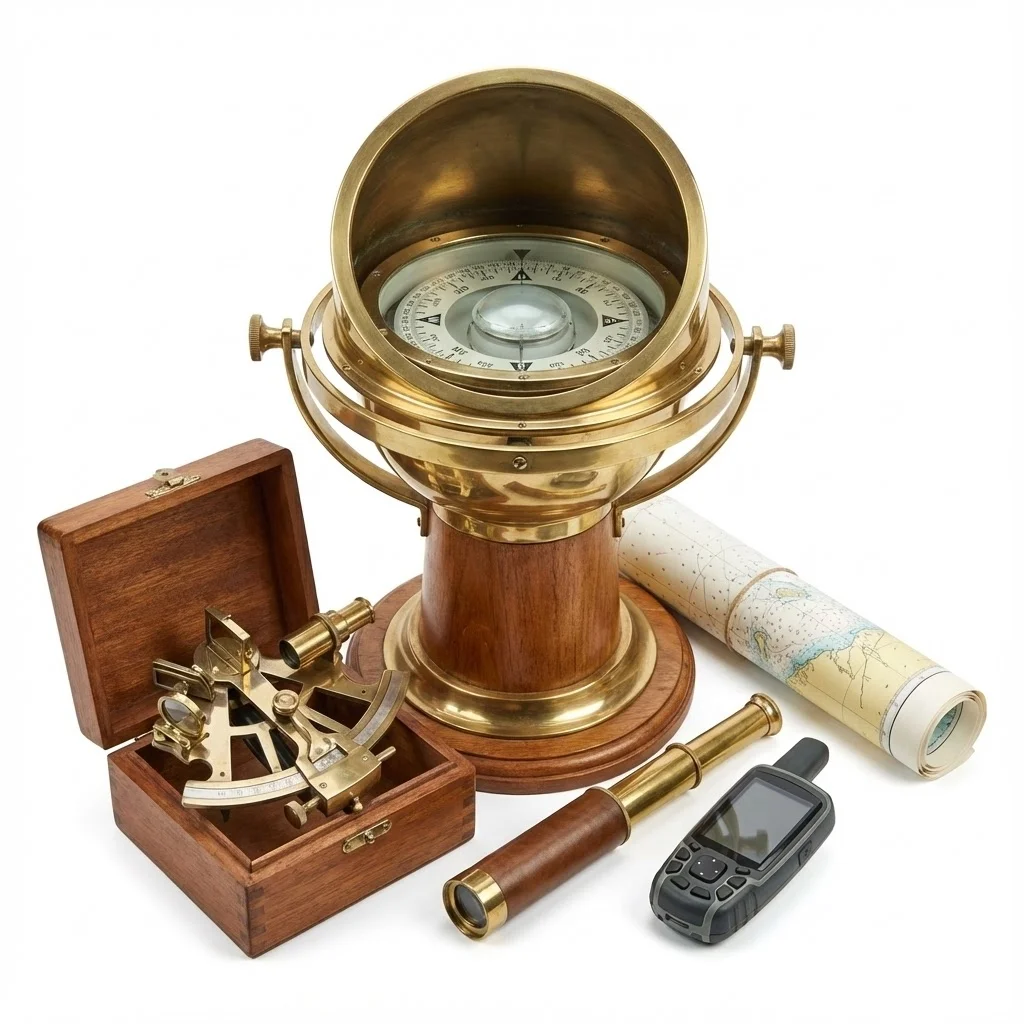
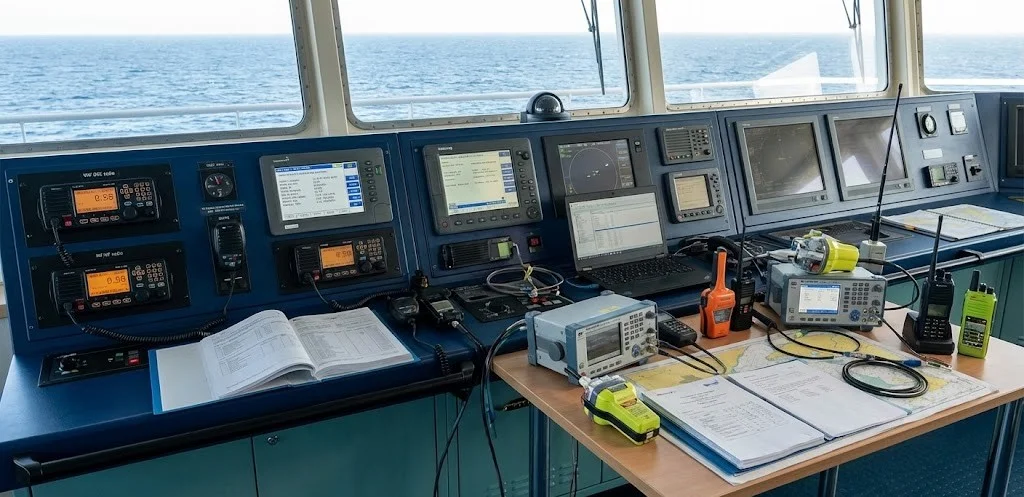
Communication is the cornerstone of safety at sea. At SBC Safety, we provide comprehensive GMDSS Radio Surveys and navigation equipment maintenance services for commercial vessels, mega yachts, and fishing fleets to ensure your connection with the world is never lost. With our expert radio surveyors authorized by major Class societies, we ensure your vessel fully complies with SOLAS Chapter IV regulations. Our Scope of Services 1. GMDSS Radio Survey Annual statutory testing and certification of communication equipment according to the vessel's sea area (A1, A2, A3, A4): VHF/DSC & MF/HF Radios: Output power, frequency accuracy, and modulation tests.Inmarsat C & Fleet Broadband: Testing and activation of satellite communication systems.EPIRB & SART: Annual testing and battery replacement of emergency beacons (Shore Based Maintenance).Navtex & AIS: Functional checks of navigational safety devices.SSAS & LRIT: Testing of Ship Security Alert Systems. 2. Gyro Compass & Navigation Maintenance Maintenance and repair of precision navigation instruments to keep you on course: Gyro Compass: Annual overhaul, sphere replacement, fluid renewal, and calibration services.Magnetic Compass: Deviation card adjustment.Radar & ECDIS: Installation, maintenance, and performance monitor tests.VDR / S-VDR: Annual Performance Tests (APT) for Voyage Data Recorders. 3. Shore Based Maintenance (SBM) Agreement Provision of mandatory maintenance agreements guaranteeing technical support for GMDSS equipment on trading vessels.
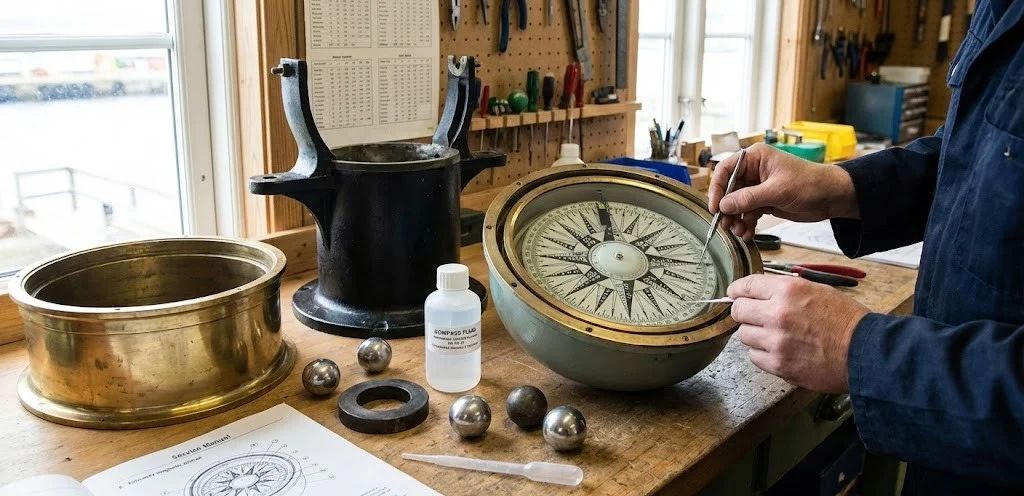
Even in the era of digital navigation, the magnetic compass remains the most critical independent reference source on board. According to SOLAS Chapter V / Regulation 19, it is mandatory that the magnetic compass operates correctly and that deviation values are within known limits. At SBC Safety, with our Certified Compass Adjusters, we provide compass adjustment services both in port and at sea, issuing an internationally valid Deviation Card. When is Compass Adjustment Required? According to ISO 25862 standards, readjustment of the magnetic compass and issuance of a new deviation card are mandatory in the following cases: Initial Installation: When the compass is installed for the first time.Unreliability: When compass readings become unreliable or deviation values exceed tolerance limits.Structural Changes: After major repairs, "hot work" (welding, etc.), or structural alterations that could affect the vessel's magnetism.Equipment Modification: When electrical equipment or cabling creating magnetic fields near the compass is added or changed.Physical Defects: If physical defects, air bubbles, or friction in the needle movement are observed.Master’s Request: At any time deemed necessary by the Master responsible for navigational safety. Workshop Services (Overhaul & Repair) We offer "Major Overhaul" services in our fully equipped workshop for physical defects that cannot be repaired on board: Cleaning and polishing of the compass bowl.Renewal of compass fluid and removal of air bubbles.Inspection and replacement of pivot needles and sapphire bearings.Repair of azimuth circles and optical elements.
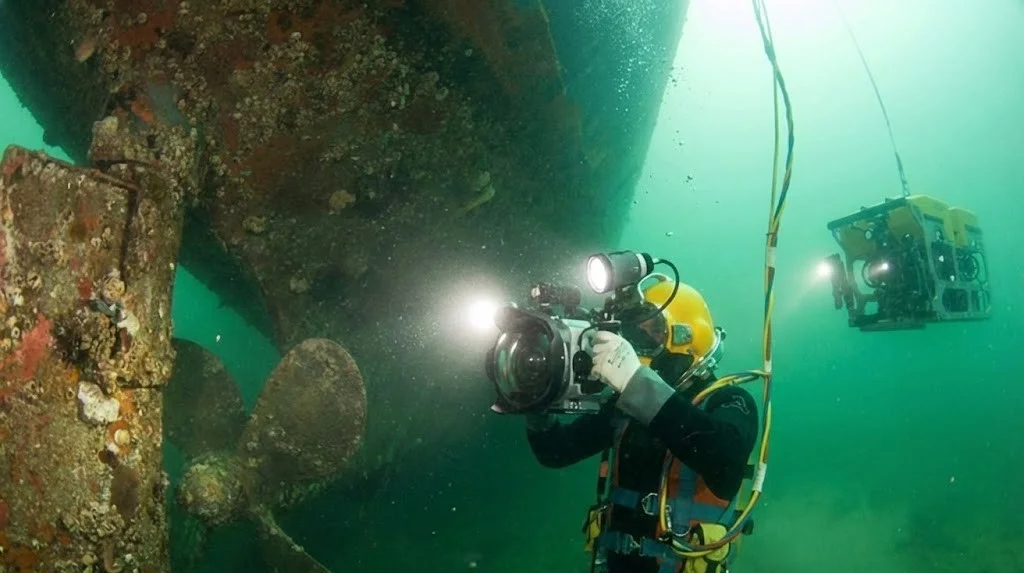
Dry-docking is always a costly process involving operational downtime for shipowners. At SBC Safety, we take pride in offering innovative "Afloat" repair and survey solutions, eliminating the need for dry-docking. With our Class-approved professional diver teams and high-definition imaging systems, we make underwater operations transparent, fast, and safe. Our Scope of Services 1. Underwater Survey and Inspection Detailed reporting services required for Class and Flag State inspections: UWILD (Underwater Inspection in Lieu of Dry-docking): Surveys performed afloat to extend dry-docking intervals.CCTV and Video Recording: Closed-circuit video recording monitored in real-time from the surface.Digital Photography: High-resolution photography for damage and condition assessment in clear water.Visual Inspection: Detection of hull deformation, corrosion, and damage by expert divers.Sea Chest Inspection: Checking gratings and intakes for blockages. 2. Performance Enhancing Cleaning Services Cleaning of marine fouling that directly impacts fuel efficiency: Hull Cleaning: Removal of algae and barnacles using hydraulic brushes without damaging the anti-fouling paint.Propeller Polishing: Polishing to Rupert Scale A standards to reduce friction and ensure fuel savings.Hydroblasting: High-pressure water jetting to remove stubborn marine growth.Sea Chest Cleaning: Clearing of cooling water intakes. 3. Underwater Repair and Maintenance Underwater Welding (Wet Welding): Temporary or permanent hull repairs and crack welding.Propeller and Rudder Repairs: Underwater propeller blade straightening, cropping, and rudder clearance measurements.Anode Replacement: Measurement and renewal of sacrificial anodes (welded or bolted) underwater.Anchor Retrieval: Locating lost anchors and chains via sonar and retrieving them to the surface.
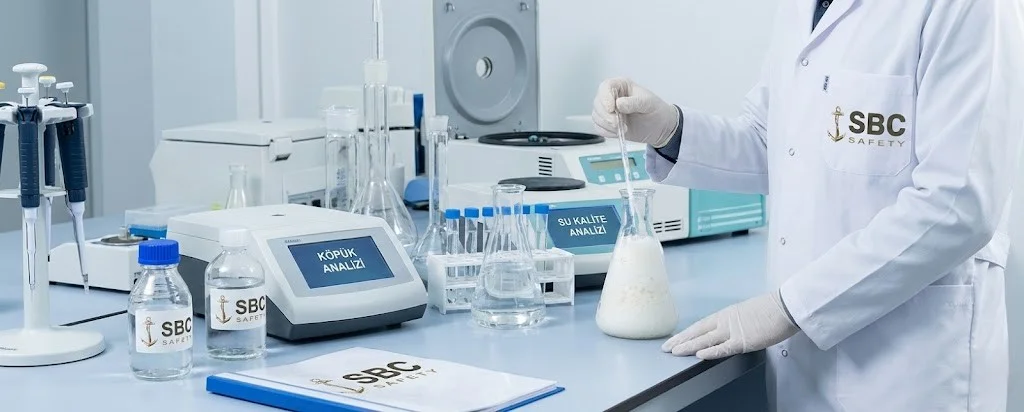
The worst nightmare during a fire is the system activating but the foam failing to perform due to degradation. At SBC Safety, we guarantee the compliance of your foam stocks and water quality with international standards through our independent and accredited laboratory services. We manage your periodic analyses according to IMO MSC.1/Circ.1312 to ensure no surprises in emergencies. 1. Fire Fighting Foam Analysis All foam concentrates degrade chemically over time. Annual periodic testing determines if the foam retains its critical firefighting performance (expansion ratio, drainage time, pH, density, sediment). Our Scope: We offer impartial reporting independent of any manufacturer for the following types: Protein-Based Foams: Protein and Fluoroprotein (FP) concentrates.Synthetic Foams: AFFF (Aqueous Film Forming Foam) and FFFP.Alcohol Resistant Types (AR): Foams resistant to polar solvents (AR-AFFF, etc.).High Expansion Foams: Synthetic detergent-based (Syndet) foams.Premix Solutions: Analysis of ready-to-use solutions stored in tanks. Speed Commitment: Standard Service: Reporting within 72 hours after the sample reaches our lab.Emergency Service: 24-hour "Express Result" option for operational urgency. 2. Water Quality Analysis Chemical balance of water is vital for crew health (MLC 2006 compliance) and corrosion prevention in technical equipment. Analysis Parameters: Using state-of-the-art photometers and electrochemical sensors, we report: Disinfectant Levels: Determination of Free and Combined Chlorine, Chlorine Dioxide, Ozone, Iodine, and Bromine via DPD method.Chemical Balance: pH value, ORP (Redox) potential, and Cyanuric Acid measurements.Metal Ions: Determination of Dissolved Iron (Fe) and Aluminum (Al), which indicate corrosion in piping.